
Quality control (QC) is a crucial process that ensures the review of all factors involved in production to maintain high-quality standards. In the industrial sector, ISO 9000 defines quality control as a set of principles and guidelines to achieve consistent quality in products and services. In this YouTube video article, we will explore the benefits of utilizing industrial robots in quality control and modern methods employed in the industry.
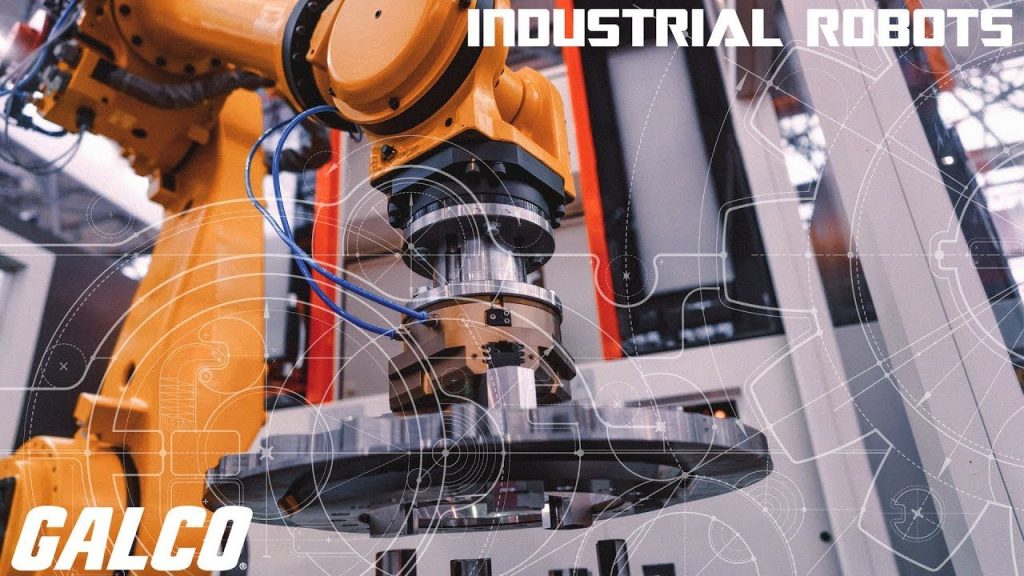
Industrial robots have revolutionized the manufacturing landscape, providing numerous benefits to companies. These robots are designed to perform repetitive tasks with precision, speed, and accuracy. When integrated into quality control processes, industrial robots enhance efficiency and effectiveness, leading to improved overall production quality.
One of the primary benefits of using industrial robots in quality control is their ability to perform tasks consistently and without fatigue. Unlike human workers, robots do not experience tiredness or distractions, ensuring that each task is executed with the same level of accuracy and attention to detail. This consistency greatly reduces the risk of errors and defects in the production process, resulting in higher-quality products.
Additionally, industrial robots can operate in hazardous environments that may be dangerous for human workers. They can withstand extreme temperatures, work with toxic substances, and handle heavy loads with ease. By employing robots in quality control, companies can enhance worker safety and prevent accidents, ultimately improving the overall well-being of their employees.
Moreover, industrial robots offer increased speed and productivity in quality control processes. These machines can work tirelessly around the clock, significantly reducing production time and increasing output. With faster inspection and testing cycles, companies can meet tight deadlines and fulfill customer demands more efficiently. This enhanced productivity not only ensures higher customer satisfaction but also boosts the competitive edge of businesses in the market.
Modern quality control methods in the industrial robotics sector leverage advanced technologies to further enhance accuracy and efficiency. These methods include the use of artificial intelligence (AI) and machine learning algorithms to analyze vast amounts of data and identify potential defects or deviations. By continuously learning from the data, robots can adapt and improve their performance over time, resulting in even higher quality standards.
In conclusion, the benefits of industrial robots in quality control are undeniable. These machines provide consistency, precision, and speed, leading to improved overall production quality. By integrating robots into quality control processes, companies can enhance worker safety, increase productivity, and meet customer demands effectively. Embracing modern quality control methods in the industrial robotics sector further amplifies these benefits, ensuring continuous improvement and innovation.
Check the coil packing solution with a leading manufacturer for a professional solution just here. Industrial Robot
Understanding the Industrial Robotics Quality Control Process: Modern Methods and Advantages of Utilizing Robots