
Title: Comprehensive Guide to Material Handling Equipment, Materials Handling, and Storage
Description:
Introduction:
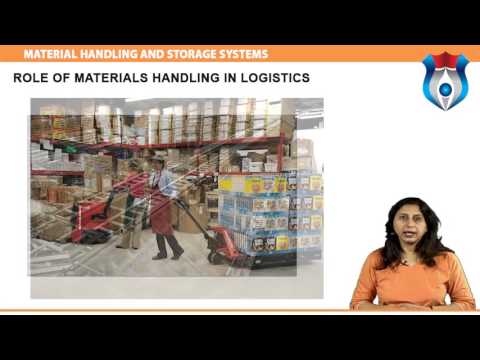
Welcome to our comprehensive guide on Material Handling Equipment, Materials Handling, and Storage. In this video, we will provide you with a detailed overview of these essential aspects of the industrial and manufacturing sectors. Whether you are a professional in the field or simply curious about the topic, this video will equip you with valuable insights and knowledge.
Video Content:
In this video, we will explore the various types of Material Handling Equipment, delve into the concept of Materials Handling, and discuss effective storage techniques. Our aim is to help you understand the importance of these elements in optimizing productivity, efficiency, and safety within industrial environments.
1. Material Handling Equipment:
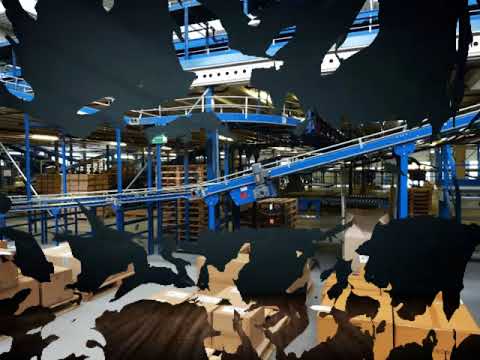
– Discover the wide range of Material Handling Equipment available, including conveyors, forklifts, cranes, hoists, and more.
– Learn about the different applications and functions of each type of equipment.
– Gain insights into the key considerations for selecting the right equipment based on specific operational needs.
– Explore the benefits of utilizing advanced technologies in Material Handling Equipment.
2. Materials Handling:
– Understand the concept of Materials Handling and its significance in streamlining workflow processes.
– Learn about the various methods and techniques used in Materials Handling, such as manual handling, automated systems, and robotics.
– Discover best practices for optimizing Materials Handling processes to enhance productivity and minimize errors.
– Gain insights into the importance of ergonomics and safety measures in Materials Handling.
3. Storage:
– Explore effective storage solutions for different types of materials, including raw materials, finished products, and hazardous substances.
– Learn about various storage systems, such as pallet racking, shelving, mezzanine floors, and automated storage and retrieval systems (AS/RS).
– Understand the importance of proper inventory management and stock rotation in optimizing storage efficiency.
– Discover strategies for maximizing space utilization and ensuring efficient accessibility to stored materials.
Call to Action:
If you found this video informative and valuable, we encourage you to like, subscribe, and share it with others who may benefit from this knowledge. Stay tuned for more insightful videos on industrial and manufacturing topics.
Additional Tags and Keywords:
Material Handling Equipment, Materials Handling, Storage, Industrial Equipment, Conveyor Systems, Forklifts, Cranes, Hoists, Automated Systems, Robotics, Storage Solutions, Pallet Racking, Shelving, AS/RS, Inventory Management, Stock Rotation, Ergonomics, Productivity, Efficiency, Safety.
Hashtags:
#MaterialHandlingEquipment #MaterialsHandling #Storage #IndustrialEquipment #Productivity #Efficiency #Safety #InventoryManagement #Ergonomics
Title: Maximizing Efficiency and Safety in Materials Handling and Storage
Introduction:
Efficient and safe materials handling and storage are crucial aspects of any organization’s operations. By implementing proper procedures and guidelines, businesses can minimize accidents, reduce costs, and improve overall productivity. This article will provide a comprehensive tilter for materials handling and storage, offering practical tips and strategies to optimize these essential processes.
1. Establish Clear Handling and Storage Protocols:
– Develop and communicate clear guidelines for materials handling and storage operations.
– Ensure all employees understand the protocols and are trained on proper handling techniques.
– Emphasize the importance of following safety procedures and using appropriate equipment.
2. Conduct Regular Risk Assessments:
– Regularly assess potential risks and hazards associated with materials handling and storage.
– Identify potential bottlenecks, safety concerns, or inefficiencies in the current processes.
– Implement measures to mitigate risks and improve overall safety.
3. Optimize Storage Layout:
– Organize storage areas logically, considering the frequency of use and specific requirements of different materials.
– Utilize vertical space effectively by installing racks, shelves, or mezzanines.
– Clearly label storage areas to ensure easy and quick identification of materials.
4. Implement Proper Ergonomics:
– Ensure that materials handling processes are designed to minimize physical strain on employees.
– Provide training on correct lifting techniques and the use of mechanical aids, such as forklifts or pallet jacks.
– Regularly assess workstations and equipment ergonomics, making necessary adjustments to prevent injuries.
5. Utilize Technology:
– Consider implementing automated systems, such as conveyor belts or robotic solutions, to streamline materials handling processes.
– Use inventory management software to track and optimize material flow, reducing storage space and minimizing inventory holding costs.
– Employ barcode or RFID systems to improve accuracy and speed during materials handling operations.
6. Regular Maintenance and Inspections:
– Establish a proactive maintenance schedule to ensure all handling equipment, such as forklifts or tilters, are in optimal condition.
– Conduct regular inspections of storage areas to identify potential safety hazards, such as damaged racks or overloaded shelves.
– Train employees to report any equipment malfunctions or safety concerns promptly.
7. Continuous Improvement:
– Foster a culture of continuous improvement by encouraging employee feedback and suggestions for enhancing materials handling and storage processes.
– Regularly review performance metrics, such as cycle times, error rates, and safety incidents, to identify areas for improvement.
– Implement necessary changes and monitor the impact on efficiency, safety, and overall productivity.
Conclusion:
Efficient materials handling and storage are essential for any organization aiming to improve its operations. By implementing the tilter outlined above, businesses can create a safer work environment, increase productivity, and reduce costs associated with damaged goods or inefficient processes. Prioritizing employee training, proper protocols, and continuous improvement will ensure long-term success in materials handling and storage.Handling Machine
#Materials #Handling #Storage