
Check the coil packing solution with leading manufacturers for professional solutions here:”
Adjusting Stretch Wrapper Tension for Maximum Stretch Saves Money and Film
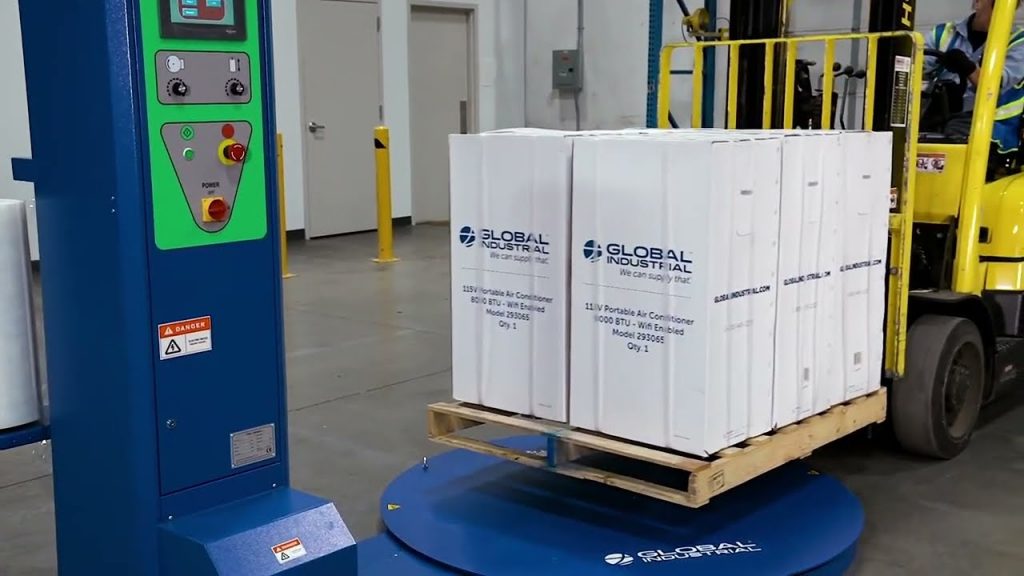
When it comes to packaging products, stretch wrapping is a common and efficient method used in various industries. It involves wrapping a stretch film around a load to secure and protect it during transportation or storage. However, to achieve maximum stretch and ensure cost savings in terms of film usage, it is crucial to adjust the tension of the stretch wrapper correctly.
After loading a stretch film roll onto the machine, the tension of the stretch wrapper needs to be adjusted to optimize the wrapping process. This adjustment determines the amount of stretch applied to the film, which directly affects the stability and integrity of the wrapped load.
By adjusting the tension, you can achieve the following benefits:
1. Cost Savings: Proper tension adjustment allows for the maximum stretch of the film, reducing the amount of film required for each wrap. This results in significant cost savings over time, as less film is consumed per load.
2. Improved Load Stability: The right tension ensures that the film tightly adheres to the load, preventing shifting or movement during transportation. This enhances load stability and minimizes the risk of damage or product loss.
3. Enhanced Film Performance: Adjusting tension correctly ensures that the film is stretched to its optimal level, maximizing its strength and elasticity. This leads to better load containment and protection against external factors such as moisture, dust, or tampering.
To adjust the tension of a stretch wrapper, follow these steps:
1. Start by identifying the tension control mechanism on the machine. This could be a manual adjustment knob or a digital control panel.
2. Begin with a lower tension setting and gradually increase it while observing the film’s behavior during the wrapping process. Pay attention to any signs of excessive stretching or film breakage.
3. Aim for a balance between achieving maximum stretch and avoiding film breakage. The ideal tension setting will depend on factors such as the type and thickness of the film, the load size and weight, and the desired level of stability.
4. Test the wrapped load for stability and integrity. If the load feels loose or shows signs of shifting, increase the tension slightly. Conversely, if the film is tearing or causing damage to the load, decrease the tension.
5. Regularly monitor and adjust the tension as needed, considering any changes in film or load characteristics.
By adjusting the tension of a stretch wrapper for maximum stretch, you can save money on film usage and ensure the protection and stability of your products during transit or storage. Investing time in understanding and optimizing this process can lead to significant cost savings and improved packaging performance.
In conclusion, adjusting the tension of a stretch wrapper is a critical step in maximizing the stretch of the film and achieving cost savings. By following the steps outlined above and regularly monitoring the tension, you can optimize your packaging process and enhance load stability. Remember to consider the specific requirements of your products and consult with leading manufacturers for professional solutions tailored to your needs.
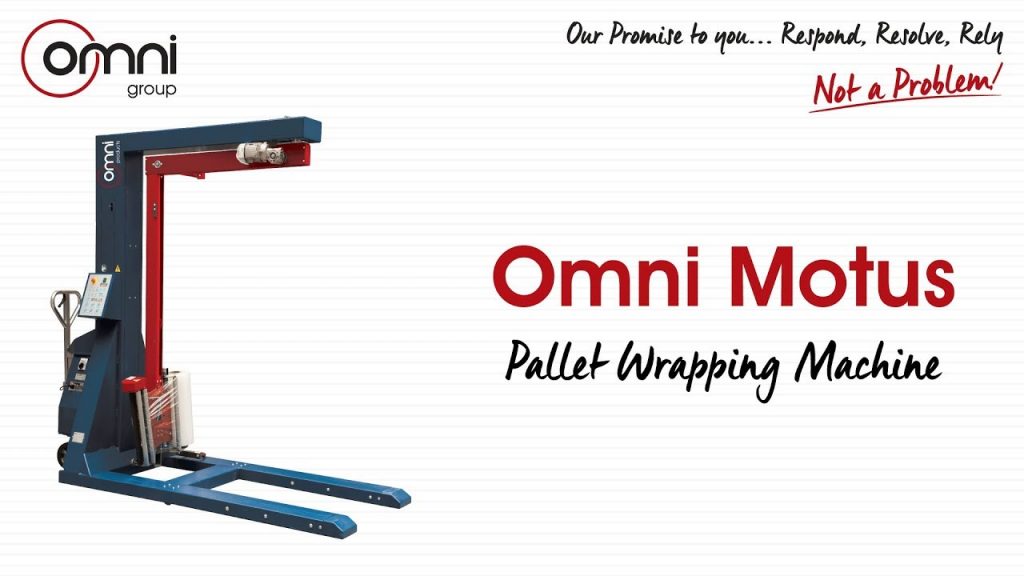
Check the coil packing solution with leading manufacturers for professional solutions here. Stretch Wrapping Machine
“Mastering Stretch Wrapper Tension: Achieving Optimal Results with the Right Stretch Wrap Machine”