Robots have been an integral part of the manufacturing industry for many years, revolutionizing processes and increasing efficiency on the factory floor. However, their capabilities are expanding beyond the confines of the manufacturing industry, as they are now being deployed in various other sectors. In this article, we will explore the different types of industrial robots and how they are transforming different industries.
Industrial robot types can be classified into several categories based on their design and functionality. These robots are purpose-built to perform intricate tasks, streamline operations, and enhance productivity in diverse fields such as automotive, electronics, healthcare, and more.
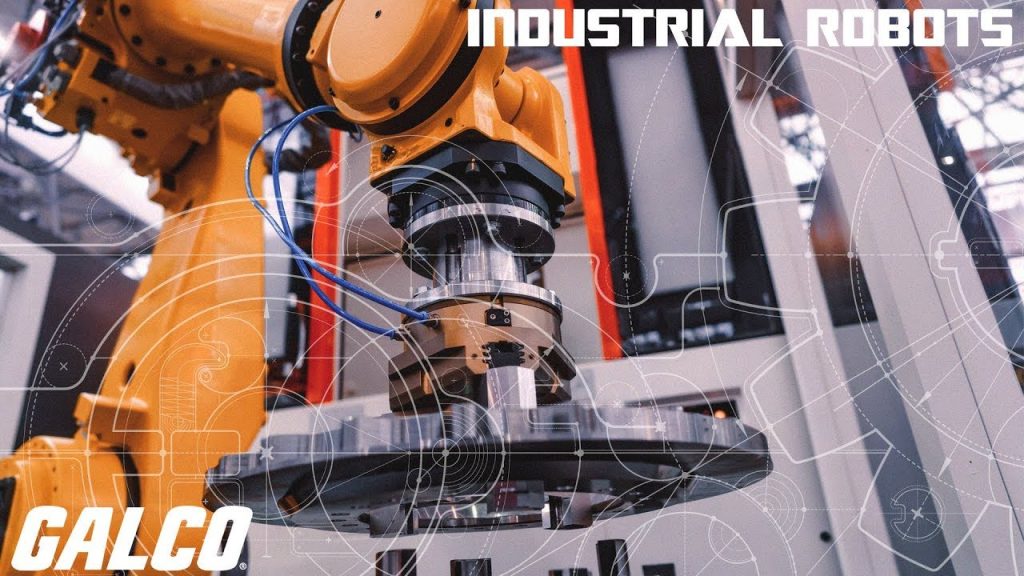
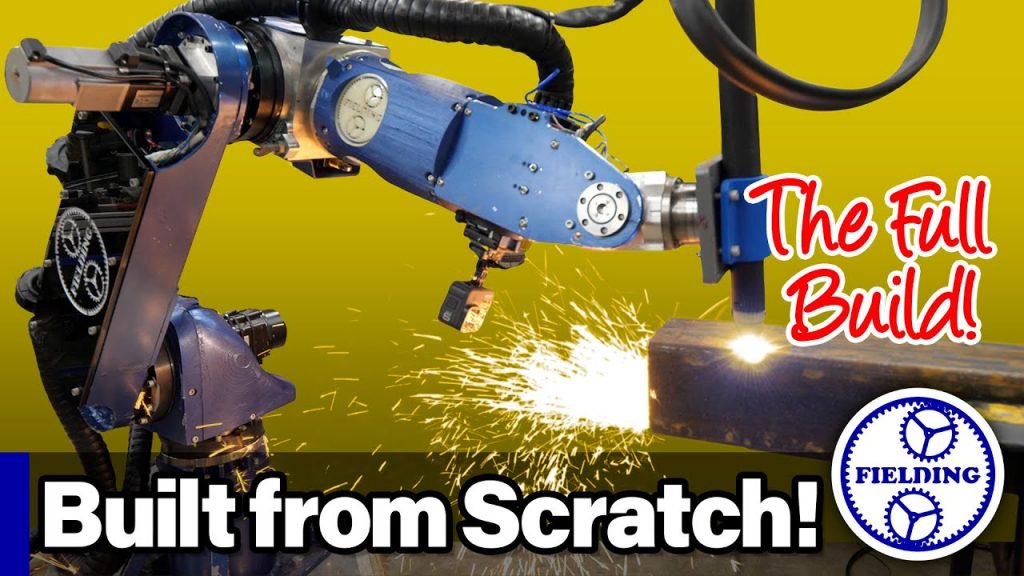
1. Articulated Robots: Articulated robots are the most commonly used industrial robots. They are characterized by a series of rotary joints that provide flexibility and a wide range of motion. These robots mimic the human arm, with multiple interconnected segments that enable them to reach and manipulate objects in complex ways. Articulated robots excel in tasks that require precision, such as welding, painting, and assembling.
2. Cartesian Robots: Cartesian robots, also known as gantry robots, operate on a three-axis Cartesian coordinate system. They use linear actuators to move along the X, Y, and Z axes, allowing for precise and controlled movements. Cartesian robots are often seen in applications that require repetitive tasks, such as pick and place operations in assembly lines.
3. SCARA Robots: SCARA robots, which stands for Selective Compliance Assembly Robot Arm, are designed for tasks that involve high-speed and precision. These robots have a two-joint arm structure that provides excellent maneuverability and the ability to work in confined spaces. SCARA robots are commonly used in assembly, packaging, and inspection processes.
4. Delta Robots: Delta robots are known for their incredible speed and agility. They feature a parallel-link structure with three arms connected to a common base. Delta robots excel in pick and place operations, especially in the food and beverage industry, where high-speed packaging is crucial.
5. Collaborative Robots: Collaborative robots, also known as cobots, are designed to work alongside humans in a shared workspace. Unlike traditional industrial robots, cobots have built-in safety features that allow them to operate safely in close proximity to humans. These robots are highly flexible and can perform a wide range of tasks, including assembly, packaging, and quality control.
Now that we have explored the different types of industrial robots, let’s take a closer look at how these robots are built. The construction of industrial robots involves a combination of mechanical, electrical, and control engineering.
The mechanical components of a robot include the arm structure, joints, and end effectors. These components are designed to provide the necessary range of motion and strength to perform various tasks. The materials used in robot construction are lightweight yet durable, ensuring optimal performance and longevity.
The electrical components of a robot consist of motors, sensors, and controllers. Motors are responsible for the movement of the robot’s joints, while sensors provide feedback on position, force, and other variables. Controllers act as the brain of the robot, processing information from sensors and sending commands to the motors.
The control system of a robot is crucial for its operation. It involves programming the robot to perform specific tasks and defining its behavior in different scenarios. Programming can be done using various languages and software platforms, depending on the robot’s manufacturer and application.
In conclusion, industrial robots have come a long way from their initial use on the factory floor. They are now entering various industries, transforming processes, and increasing efficiency. The different types of industrial robots, such as articulated robots, Cartesian robots, SCARA robots, delta robots, and collaborative robots, offer unique capabilities and are tailored to specific applications. Understanding the construction and functionality of these robots is essential for businesses looking to embrace automation and enhance their operations.
Check out the video below to explore the different types of industrial robots and witness their incredible capabilities in action. Industrial Robot Types are revolutionizing industries and unlocking new possibilities for businesses worldwide. Don’t miss out on the opportunity to stay ahead in this era of automation.
[Insert YouTube video here]
Remember, for a professional and reliable coil packing solution, be sure to check out leading manufacturers in the industry. They will provide you with the expertise and quality you need to optimize your packaging processes. Industrial Robot
“Unveiling the Fascinating Process of Constructing Robots: A Comprehensive Look at Different Types of Industrial Robots”