
Title: Eliminating Flash in Injection Molded Parts | Automatic Plastic Injection Machine
Description:
Introduction:
Welcome to our video on the Automatic Plastic Injection Machine and the common defect known as flash in injection molded parts. In this video, we will provide a comprehensive overview of what actually causes flash and the misconceptions surrounding it in the injection molding industry. Join us as we delve into the key factors and steps to eliminate flash, ensuring high-quality molded parts every time.
Video Content:
In this video, we will cover the following key points:
1. Understanding Flash in Injection Molded Parts:
– Definition of flash and its impact on product quality.
– Types of flash and their characteristics.
2. Root Causes of Flash:
– Injection pressure and velocity.
– Mold design and venting.
– Material selection and processing parameters.
3. Overcoming Common Misconceptions:
– Debunking myths about flash formation.
– Addressing misconceptions related to machine settings.
4. Effective Measures to Eliminate Flash:
– Optimizing machine parameters.
– Implementing proper mold design and venting techniques.
– Conducting regular maintenance and inspections.
5. Step-by-Step Operation of Automatic Plastic Injection Machine:
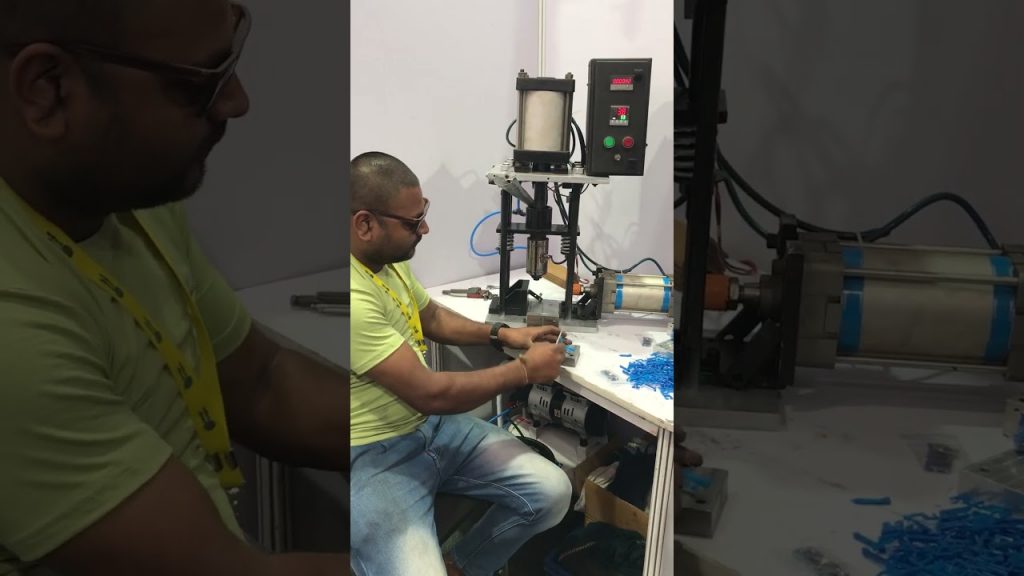
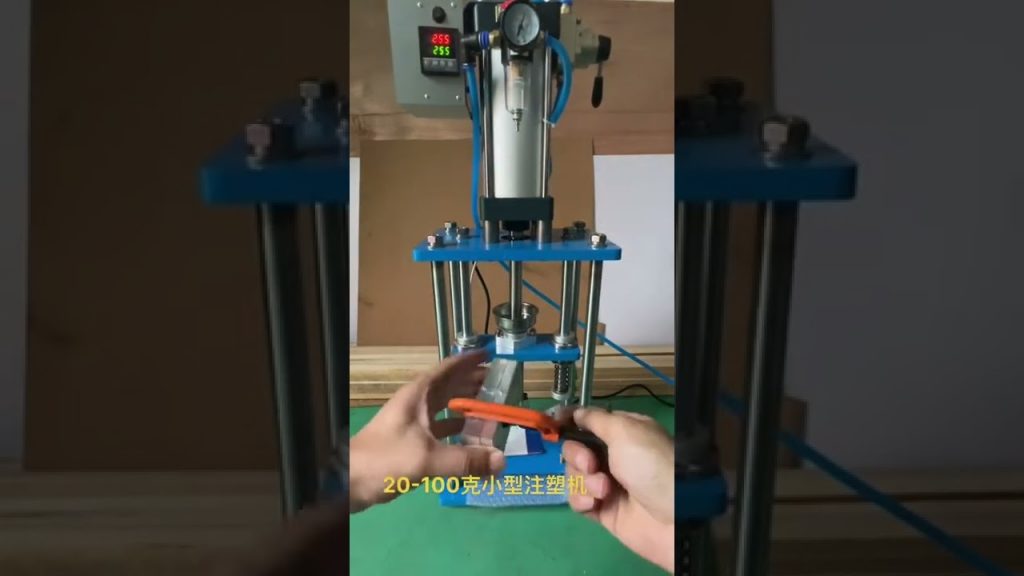
– Introduction to the machine’s components and functions.
– Detailed explanation of the injection molding process.
Call to Action:
If you found our video informative and helpful, please consider liking, subscribing, and sharing it with others in the injection molding industry. Stay up to date with our latest videos on plastic injection machines and related topics.
Additional Tags and Keywords:
automatic plastic injection machine, flash in injection molded parts, injection molding industry, flash defects, eliminating flash, injection pressure, mold design, material selection, processing parameters, misconceptions, machine settings, mold venting, maintenance, injection molding process.
Hashtags:
#InjectionMolding #PlasticInjectionMachine #FlashDefects #QualityControl #MoldedParts #InjectionMoldingIndustry
Title: Unveiling the True Culprits Behind Flash in Injection Molded Parts
Introduction:
Injection molding is a widely used manufacturing process for creating complex plastic components. However, one common issue that manufacturers encounter is flash, which refers to the excess material that escapes the mold cavity during the injection molding process. Understanding the root causes behind flash is crucial for optimizing production efficiency and maintaining product quality. In this article, we will delve into the various factors that actually cause flash in injection molded parts.
1. Mold Design and Construction:
One of the primary causes of flash lies in the mold design and construction. Imperfect alignment of mold components, inadequate clamping force, or worn-out mold components can result in tiny gaps or openings, leading to material leakage during injection. A meticulous review of mold design and regular maintenance can significantly minimize flash occurrence.
2. Process Parameters:
The process parameters used during injection molding play a critical role in preventing flash. Inadequate pressure, excessively high temperatures, or improper injection speed can cause molten plastic to escape through gaps in the mold. Accurate control and optimization of process parameters are essential to reduce flash and ensure optimal part quality.
3. Material Selection:
The choice of plastic material also influences flash formation. Certain polymers exhibit higher flow rates, making them more prone to flash. Using materials with lower melt flow rates or modifying their properties can help reduce flash occurrence. Additionally, selecting materials with better viscosity control and higher elasticity can enhance mold filling and reduce flash formation.
4. Venting:
Proper venting is vital to prevent flash. Insufficient or poorly designed venting systems can trap air, gas, or excess material, leading to flash. By incorporating well-designed vents at appropriate locations in the mold, manufacturers can allow trapped air and gas to escape, minimizing the risk of flash occurrence.
5. Operator Skill and Training:
Injection molding is a complex process that requires skilled operators. Inadequate training or lack of experience can lead to errors in mold setup, process control, or troubleshooting, resulting in flash. Ongoing training programs and regular skill assessments can enhance operator competency, reducing the likelihood of flash-related issues.
Conclusion:
Flash in injection molded parts can have detrimental effects on both production efficiency and product quality. By addressing the root causes mentioned above, manufacturers can effectively minimize flash occurrence. Diligent mold design, optimal process parameter control, careful material selection, proper venting, and well-trained operators are all key factors in achieving flash-free injection molded parts. By implementing these practices, manufacturers can enhance their overall productivity and deliver high-quality components to the market.Plastic Injection Machine
#Flash #Injection #Molded #Parts