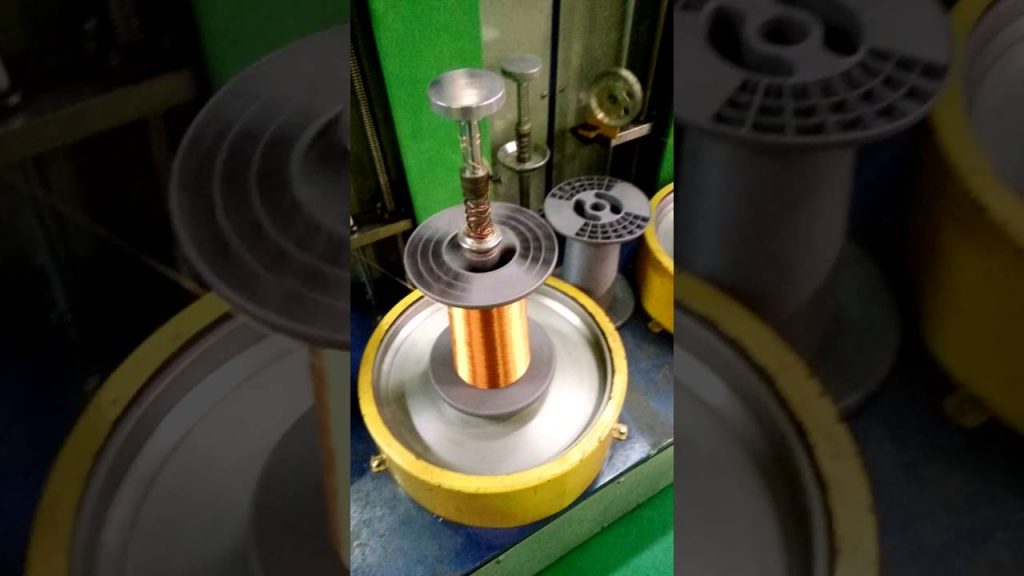
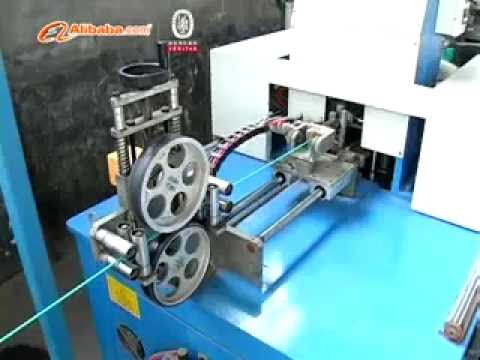
Check out the coil packing solutions offered by leading manufacturers for a professional and efficient wire production process.
Title: Wire Production Basics: Exploring the Wire Manufacturing Process in a Factory
Introduction:
In today’s fast-paced world, wires play a vital role in numerous industries. From electrical wiring to telecommunications, wires are an essential component of our everyday lives. Have you ever wondered how these wires are manufactured in factories? In this YouTube video, we will take you on a fascinating journey through the wire manufacturing process, showcasing the wire production basics that make it all possible. Join us as we dive into the intricacies of wire manufacturing, demonstrating the various stages involved in creating high-quality wires.
Section 1: Wire Production Basics
Wire production starts with the selection of raw materials. High-quality raw materials, such as copper or aluminum, are chosen to ensure the durability and conductivity of the wire. These materials undergo a rigorous inspection process to meet the industry standards.
Section 2: Wire Drawing Process
The wire drawing process is the heart of wire manufacturing. In this step, the selected raw material is fed into a wire drawing machine. The machine pulls the material through a series of dies, reducing its diameter gradually. This process imparts strength and flexibility to the wire while maintaining its uniformity.
Section 3: Wire Annealing
After the wire drawing process, annealing is conducted to enhance the wire’s ductility. Annealing involves heating the wire to a specific temperature and then slowly cooling it down. This thermal treatment eliminates any internal stresses in the wire, making it more malleable and less prone to breakage.
Section 4: Wire Insulation
Depending on the intended use of the wire, insulation may be applied to protect the conductor from external factors. Insulation materials, such as PVC or polyethylene, are commonly used. The wire passes through an extrusion machine where the insulation material is applied around the conductor, forming a protective layer.
Section 5: Wire Stranding
In certain applications, multiple wires are twisted or braided together to form a cable. This process is known as wire stranding. Stranded wires provide increased flexibility and resistance to bending fatigue, making them ideal for applications that require frequent movement or flexibility.
Section 6: Wire Testing and Quality Control
Once the wire production process is complete, rigorous testing and quality control measures are implemented. Various tests, including conductivity, insulation resistance, and mechanical strength tests, are conducted to ensure that the wires meet the required specifications and industry standards.
Conclusion:
The wire manufacturing process involves several intricate steps, each contributing to the production of high-quality wires. From wire drawing to insulation and stranding, every stage plays a crucial role in ensuring the durability, conductivity, and safety of the final product. Understanding the wire production basics provides valuable insights into the complexity and precision involved in manufacturing wires for various industries.
Check the coil packing solution with leading manufacturers for a professional solution just here. Steel wire production line
“Exploring the Intricate Wire Manufacturing Process and Basics of Wire Production at a Factory”