
Title: “Creating Plastic Crates with the Efficient Automatic Plastic Injection Machine”
Description:
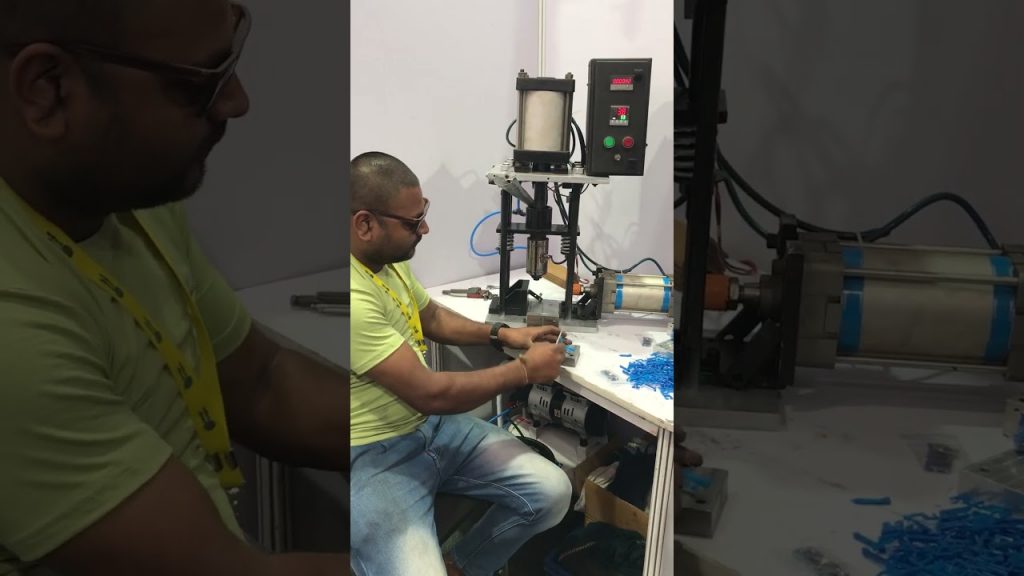
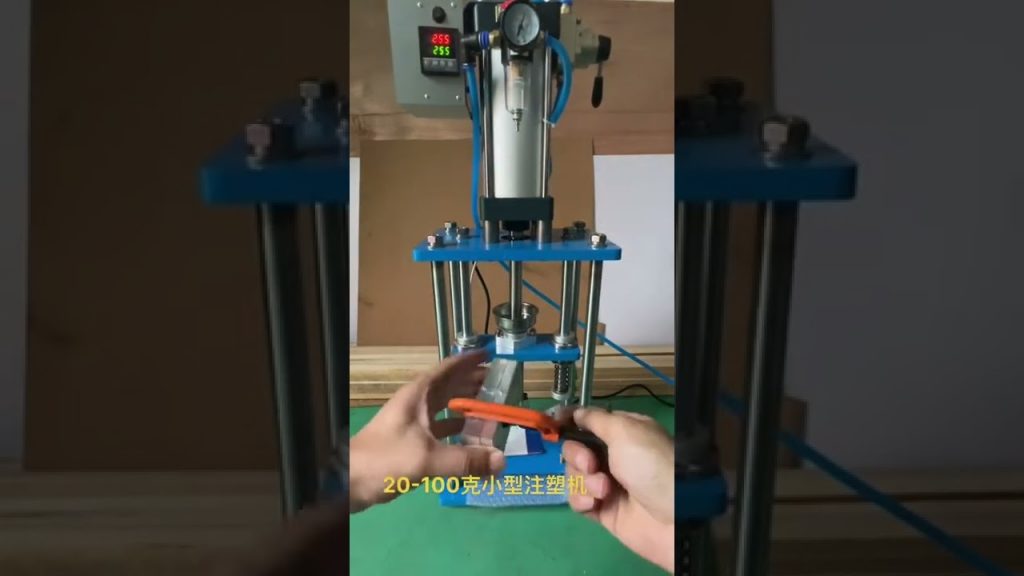
In this informative video, we showcase the impressive capabilities of the Automatic Plastic Injection Machine, specifically the CSD-650 model, which is utilized to manufacture high-quality plastic crates through the injection molding process. The video provides a comprehensive overview of the entire process, from the use of plastic raw materials to the final product’s formation.
Introduction:
Welcome to our video showcasing the incredible capabilities of the Automatic Plastic Injection Machine. In this comprehensive guide, we delve into the process of creating plastic crates using the efficient injection molding machine CSD-650. Join us as we explore each step of the process and uncover the fascinating world of plastic crate production.
Video Content:
1. Understanding the Injection Molding Process:
– Discover the fundamentals of injection molding and how it revolutionized the plastic manufacturing industry.
– Learn about the key components of the Automatic Plastic Injection Machine and how they contribute to its efficiency.
2. Utilizing the CSD-650 Injection Molding Machine:
– Gain insight into the features and specifications of the CSD-650 model.
– Explore the machine’s advanced capabilities and its ability to produce high-quality plastic crates.
3. Plastic Raw Materials and Their Importance:
– Dive into the types of plastic raw materials used in the injection molding process.
– Understand the significance of selecting the appropriate material for manufacturing durable and reliable plastic crates.
4. Injection Molding Process Steps:
– Step-by-step breakdown of the injection molding process, from material preparation to mold filling and cooling.
– Learn about the precise temperature and pressure control required for optimal results.
Call to Action:
If you found this video informative and interesting, please consider liking, subscribing, and sharing it with others who may benefit from this valuable knowledge. Stay updated with our channel for more insightful content on plastic manufacturing processes and the latest advancements in injection molding technology.
Additional Tags and Keywords:
Automatic Plastic Injection Machine, Injection Molding Machine, CSD-650, Plastic Crates, Injection Molding Process, Plastic Manufacturing, Plastic Raw Materials, Mold Filling, Cooling, Plastic Production, Injection Molding Technology.
Hashtags:
#AutomaticPlasticInjectionMachine #InjectionMolding #PlasticCrates #InjectionMoldingProcess #ManufacturingTechnology
Title: The Intricate Process of Manufacturing Plastic Crates through Injection Molding Machines
Introduction:
The manufacturing of plastic crates has become increasingly efficient and cost-effective with the advent of injection molding technology. Injection molding machines play a crucial role in this process, allowing for the production of durable, high-quality plastic crates. This article will delve into the step-by-step process of how plastic crates are made using injection molding machines.
1. Mold Design:
The first step in the process involves designing the mold for the plastic crate. Skilled engineers create a detailed blueprint that includes all the necessary dimensions and specifications. The design takes into consideration the shape, size, and strength requirements of the crate.
2. Material Selection:
Once the mold design is finalized, the appropriate plastic material is chosen. Common materials used for plastic crates include polypropylene (PP) and high-density polyethylene (HDPE). The selected material should possess the desired properties, such as strength, durability, and resistance to impact and chemicals.
3. Material Preparation:
The selected plastic material is fed into the injection molding machine in the form of pellets. These pellets are heated to a specific temperature, usually above their melting point, in a hopper. The heating process ensures that the plastic material becomes molten and is ready for injection.
4. Injection:
The molten plastic is injected into the mold under high pressure through a nozzle. The injection molding machine pushes the plastic material into the mold cavity, filling it completely. The pressure applied during injection ensures that the plastic takes the shape of the mold accurately.
5. Cooling:
After the mold is filled, the plastic inside it is allowed to cool and solidify. Cooling time varies depending on the thickness and design complexity of the crate. The cooling process is vital as it determines the final strength and dimensional accuracy of the crate.
6. Ejection:
Once the plastic has cooled and solidified, the mold opens, and the newly formed plastic crate is ejected. Ejection pins or plates are used to push the crate out of the mold gently. It is essential to ensure that the ejection process does not damage the crate or compromise its structural integrity.
7. Trimming and Finishing:
After ejection, any excess plastic or flash that may have formed during the injection process is trimmed off. This ensures that the finished plastic crate has clean edges and a smooth surface. Additional finishing processes, such as surface texturing or logo printing, may be applied depending on the specific requirements.
8. Quality Control:
To ensure the highest quality, each plastic crate undergoes rigorous inspection. This includes checking for dimensional accuracy, strength, and overall appearance. Defective crates are identified and removed from the production line to maintain consistent quality standards.
Conclusion:
Injection molding machines have revolutionized the manufacturing process of plastic crates. Through careful mold design, material selection, injection, cooling, and finishing steps, these machines produce durable and efficient plastic crates. The entire process is carefully monitored to ensure high-quality standards are met, making plastic crates an indispensable solution for storage, transport, and packaging needs.Plastic Injection Machine
#Plastic #Crates #injection #molding #machine