Benefits of Industrial Robots
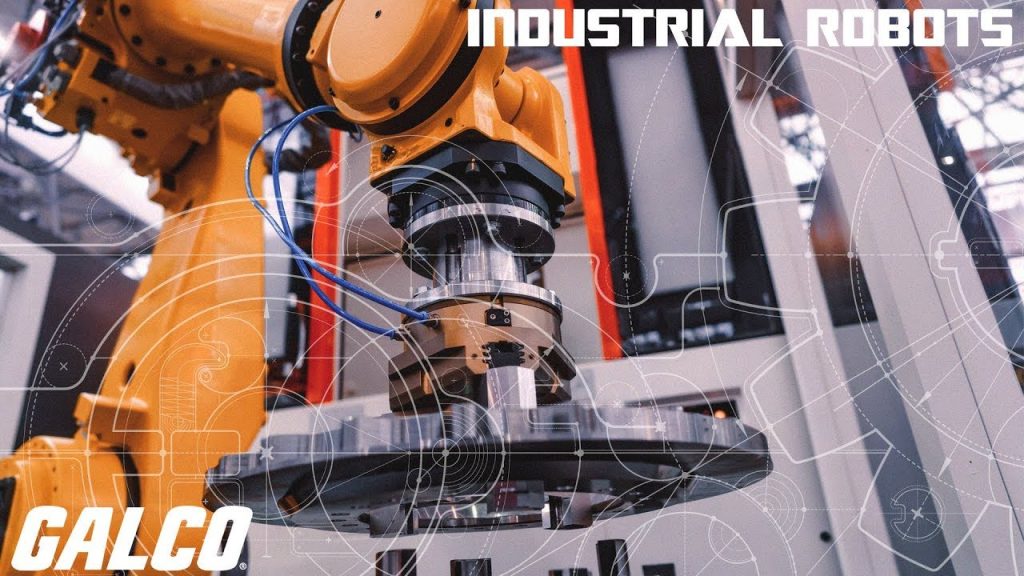
In today’s fast-paced industrial landscape, automation has become a crucial aspect of increasing efficiency and productivity. One of the key components of automation is the use of industrial robots. These advanced robotic systems have revolutionized various industries by streamlining processes and offering numerous benefits. In this YouTube video article, we will delve into the advantages of industrial robots and explore how they can significantly enhance productivity and profitability for businesses.
1. Increased Efficiency: Industrial robots are designed to perform repetitive tasks with precision and accuracy. Unlike human workers, robots do not experience fatigue or require breaks, resulting in continuous operation and increased productivity. Moreover, robots can work at a faster pace, thus reducing cycle times and improving overall efficiency in manufacturing processes.
2. Improved Quality: Industrial robots are programmed to perform tasks with consistent precision, ensuring high-quality outputs. They eliminate the risk of human error and variance, leading to improved product quality and reduced waste. By maintaining tight tolerances and adhering to strict specifications, robots contribute to a higher level of quality control in production.
3. Enhanced Safety: Safety is a paramount concern in any industrial setting. Industrial robots play a crucial role in reducing workplace accidents and injuries. These robots are equipped with advanced sensors and safety features that enable them to operate safely alongside human workers. By taking over hazardous or physically demanding tasks, robots can protect workers from potential harm, creating a safer working environment.
4. Increased Flexibility: Industrial robots are highly versatile and can be easily reprogrammed to perform various tasks. This flexibility allows businesses to adapt to changing production demands quickly. Instead of investing in separate machines for different operations, companies can utilize robots to handle multiple tasks, resulting in cost savings and improved operational agility.
5. Cost Savings: While the initial investment in industrial robots may seem significant, they offer substantial long-term cost savings. By automating processes, businesses can reduce labor costs, as robots can perform tasks that would otherwise require multiple human workers. Additionally, robots minimize the risk of product defects and waste, leading to lower production costs and increased profitability.
6. Increased Production Capacity: Industrial robots can operate 24/7 without the need for breaks or rest, enabling businesses to achieve higher production outputs. With increased production capacity, companies can meet growing demands, expand their market share, and stay ahead of the competition. Robots also allow for faster turnaround times, ensuring timely delivery of products to customers.
7. Improved Workforce Utilization: By implementing industrial robots, businesses can reallocate their human workforce to more value-added tasks. Instead of spending time on repetitive and mundane operations, employees can focus on tasks that require creativity, problem-solving, and critical thinking. This not only enhances job satisfaction but also maximizes the potential of the workforce, leading to overall organizational growth.
In conclusion, industrial robots offer a multitude of benefits that can significantly transform manufacturing processes. From increased efficiency and improved quality to enhanced safety and cost savings, these robots have become indispensable in today’s industrial landscape. By embracing automation and incorporating industrial robots into their operations, businesses can unlock a world of opportunities and achieve long-term success.
Check the coil packing solution with a leading manufacturer for a professional solution just here. Industrial Robot
“Revolutionizing Industries: Unlocking Efficiency and Productivity through Automation and Robotics”