Robots are revolutionizing industries across the globe, and as technology continues to advance at an unprecedented rate, these machines are becoming more sophisticated and capable. In this YouTube video article, we will explore the different types of industrial robots and discuss the top trends in this field for 2023.
Industrial robots are designed to perform various tasks in manufacturing and production processes. They are highly versatile and can be programmed to handle a wide range of tasks, including welding, painting, assembly, and material handling. These robots are equipped with advanced sensors and software that enable them to perform complex tasks with precision and efficiency.
There are several types of industrial robots, each designed for specific applications:
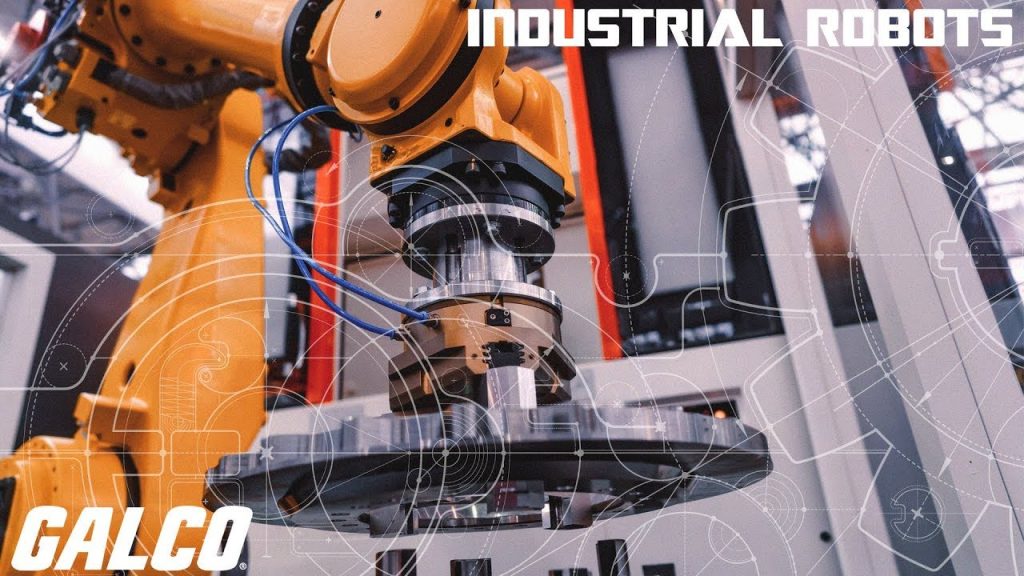
1. Articulated Robots: These robots have a series of joints that mimic the movement of a human arm. They are highly flexible and can perform tasks with a wide range of motion. Articulated robots are commonly used in assembly lines and welding processes.
2. Cartesian Robots: Also known as gantry robots, Cartesian robots have three linear axes that allow them to move in a straight line along the X, Y, and Z axes. They are ideal for applications that require precise positioning and high-speed movements.
3. SCARA Robots: SCARA stands for Selective Compliance Assembly Robot Arm. These robots have a rigid vertical arm and a flexible horizontal arm, allowing them to move in a circular motion. SCARA robots are commonly used in pick-and-place applications and assembly processes.
4. Delta Robots: Delta robots are designed for high-speed pick-and-place operations. They consist of three arms connected to a central base, which allows them to move quickly and accurately. Delta robots are often used in industries such as food and beverage, pharmaceuticals, and electronics.
5. Collaborative Robots: Also known as cobots, collaborative robots are designed to work alongside humans. These robots are equipped with advanced sensors that enable them to detect and react to human presence, ensuring safety in the workplace. Cobots are ideal for tasks that require human-robot collaboration, such as packaging, assembly, and inspection.
As we look ahead to 2023, there are several trends that will shape the industrial robot industry:
1. Artificial Intelligence and Machine Learning: With the integration of AI and machine learning algorithms, industrial robots will become smarter and more autonomous. They will be able to learn from their experiences and adapt to changing environments, improving their overall performance and efficiency.
2. Internet of Things (IoT) Connectivity: Industrial robots will be connected to the internet, allowing for real-time monitoring and data analysis. This connectivity will enable predictive maintenance, remote troubleshooting, and optimization of robot performance.
3. Advanced Vision Systems: Robots will be equipped with advanced vision systems, including 3D cameras and sensors, that will enable them to perceive and understand their surroundings with greater accuracy. This will enhance their ability to perform complex tasks and work in dynamic environments.
4. Human-Robot Collaboration: As cobots continue to gain popularity, we can expect to see more collaborative work environments where humans and robots work side by side. This collaboration will lead to increased productivity and improved safety in the workplace.
5. Customization and Flexibility: Industrial robots will become more flexible and adaptable to meet the changing demands of manufacturing processes. They will be designed to handle a wider range of tasks and be easily reprogrammable for different applications, reducing downtime and improving overall efficiency.
In conclusion, industrial robots are becoming more sophisticated and capable as technology advances. The different types of industrial robots, including articulated robots, Cartesian robots, SCARA robots, delta robots, and collaborative robots, are revolutionizing industries across the globe. Looking ahead to 2023, trends such as AI and machine learning, IoT connectivity, advanced vision systems, human-robot collaboration, and customization and flexibility will shape the future of industrial robotics.
Check the coil packing solution with a leading manufacturer for professional solutions just here: [Insert URL or company name]. Industrial Robot
“Unveiling the Future: Key Trends Shaping Industrial Robots in 2023 and Essential Robot Types”