
Food Packing Systems: Enhancing Food Safety and Efficiency
Food packaging plays a crucial role in ensuring the safety and quality of food products. With the increasing demand for processed and packaged food, it has become essential for the food industry to adopt efficient and reliable food packing systems. In this article, we will explore the various aspects of food packaging, including FSSAI regulations, packaging materials and technology, and the classification of food packaging.
Food packaging in India is governed by the Food Safety and Standards Authority of India (FSSAI). FSSAI has laid down specific guidelines and regulations to ensure the safety and hygiene of food packaging processes. These regulations aim to prevent contamination, spoilage, and adulteration of food products, thereby safeguarding consumer health.
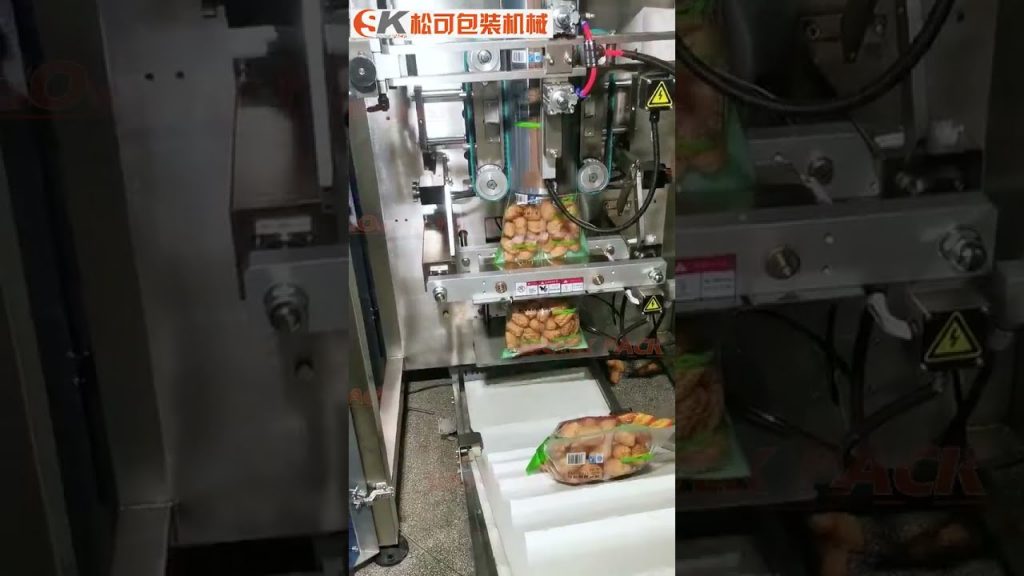
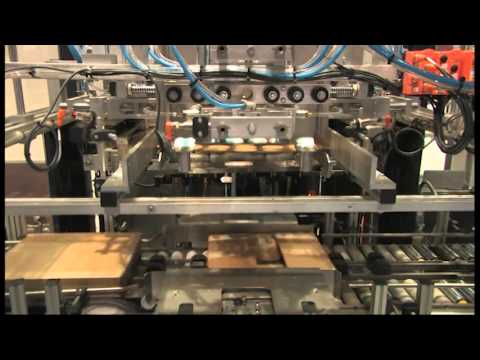
When it comes to food packaging technology, advancements have revolutionized the industry. Modern food packing systems are designed to improve efficiency, reduce waste, and enhance product protection. These systems incorporate automation, robotics, and smart sensors to streamline the packaging process and ensure accurate and consistent results.
One of the critical considerations in food packaging is the choice of packaging materials. The selection of suitable materials depends on factors such as the nature of the food product, shelf life requirements, and environmental sustainability. Commonly used packaging materials include plastic, glass, metal, and paper-based materials. Each material has its unique properties and advantages, making it suitable for specific food products.
Food packaging can be classified into several categories based on different criteria. One common classification is based on the packaging purpose, such as primary packaging, secondary packaging, and tertiary packaging. Primary packaging refers to the immediate contact between the food product and the packaging material. Secondary packaging provides additional protection and convenience, while tertiary packaging involves bulk transportation and storage.
In recent years, there has been a growing focus on sustainable and eco-friendly packaging solutions. With increasing awareness about environmental issues, consumers are actively seeking products with minimal environmental impact. This has led to the development of innovative packaging materials, such as biodegradable plastics and compostable packaging.
Food packing systems have a significant impact on the overall efficiency and profitability of food production. An efficient packaging system can ensure faster processing, reduced waste, and improved product quality. It also plays a crucial role in brand positioning and consumer perception.
In conclusion, food packing systems are vital for ensuring the safety, quality, and efficiency of food products. With the stringent regulations set by FSSAI and the advancements in packaging technology, the food industry is witnessing a transformation in its packaging practices. By embracing innovative packaging materials and technologies, food manufacturers can not only meet the regulatory requirements but also cater to the evolving consumer demands.
Check the coil packing solution with a leading manufacturer for the professional solution just here. Packing System
“Essential Food Packaging Safety: Day-38 Crash Course for Food Safety Officers and Insights into Food Packing Systems”