Title: Efficient Handling Machines and Principles of Material Handling | Ten Principles | Engineering Study Materials
Description:
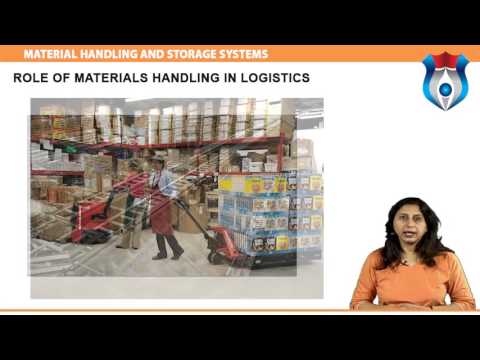
Welcome to our informative video on efficient handling machines and principles of material handling. In this video, we will explore the ten fundamental principles of material handling and provide valuable insights into their applications in various industries.
Introduction:
In today’s fast-paced world, efficient handling machines and material handling principles play a crucial role in optimizing productivity and ensuring smooth operations. Understanding these principles is essential for engineers, technicians, and professionals involved in logistics, manufacturing, and supply chain management.
Video Content:
1. Principle 1: Planning and Organizing – Learn how proper planning and organizing can improve efficiency and reduce operational costs in material handling processes.
2. Principle 2: Standardization – Discover the benefits of standardizing material handling procedures to enhance safety and streamline operations.
3. Principle 3: Ergonomics – Explore the importance of ergonomics in designing workspaces and equipment to prevent injuries and improve worker productivity.
4. Principle 4: Automation and Robotics – Gain insights into the role of automation and robotics in material handling, enabling faster and more accurate operations.
5. Principle 5: Space Utilization – Learn effective strategies for optimizing space utilization, minimizing waste, and increasing storage capacity.
6. Principle 6: Unit Load Formation – Understand the concept of unit load formation and its impact on efficient material handling, including packaging and palletization.
7. Principle 7: System Integration – Discover how integrating material handling systems can enhance overall productivity and reduce downtime.
8. Principle 8: Safety – Explore essential safety measures and guidelines to ensure a secure working environment for employees and prevent accidents.
9. Principle 9: Environmental Considerations – Learn about eco-friendly practices and sustainable material handling solutions to reduce the environmental impact.
10. Principle 10: Maintenance and Inspection – Discover the significance of regular maintenance and inspection to ensure optimal performance and longevity of handling machines.
Call to Action:
If you found this video insightful, don’t forget to give it a thumbs up and subscribe to our channel for more informative content on engineering study materials and principles of material handling. Share this video with your colleagues and friends who might benefit from this knowledge.
Additional Tags and Keywords: efficient handling machines, material handling principles, engineering study materials, logistics, manufacturing, supply chain management, automation, robotics, space utilization, safety, maintenance, inspection.
Hashtags: #EfficientHandlingMachines #MaterialHandlingPrinciples #EngineeringStudyMaterials #Logistics #Manufacturing #SupplyChainManagement #Automation #Robotics #Safety #Maintenance
Title: Principles of Material Handling: A Comprehensive Overview
Introduction:
Material handling is an essential aspect of any industrial or engineering process. It involves the movement, storage, control, and protection of materials throughout the entire manufacturing or distribution system. To ensure efficient and safe material handling practices, engineers and professionals rely on a set of principles that guide their decision-making. In this article, we will explore the ten fundamental principles of material handling, providing valuable insights into their significance and application.
1. Planning: Effective material handling begins with careful planning. Engineers need to analyze the requirements, constraints, and objectives of the operation to develop an optimal handling system. By considering factors such as volume, weight, and size of materials, as well as the layout of the facility, a well-thought-out plan can be devised.
2. Standardization: Standardization is crucial to streamline material handling processes. By adopting standardized equipment, containers, and procedures, organizations can improve efficiency, reduce training time, and minimize errors. Standardized systems also facilitate compatibility and interchangeability, enabling seamless integration within the workflow.
3. Ergonomics: Ensuring ergonomic design in material handling systems is essential for the safety and well-being of workers. By considering human factors such as body mechanics, reach distances, and lifting capacities, engineers can minimize the risk of injuries and fatigue. Ergonomic design principles also enhance productivity and job satisfaction.
4. Automation: Automation plays a vital role in modern material handling. By employing automated technologies such as conveyors, robotics, and automated guided vehicles (AGVs), organizations can achieve higher throughput, accuracy, and consistency. Automation also reduces manual labor, allowing workers to focus on more complex tasks.
5. Visibility: Maintaining visibility throughout the material handling process is crucial for efficiency and safety. By adopting technologies such as barcode systems, RFID tags, and real-time tracking, organizations can monitor the movement of materials, locate inventory, and identify potential bottlenecks. Enhanced visibility enables proactive decision-making and reduces the likelihood of errors or delays.
6. Flexibility: Material handling systems should be designed with flexibility in mind. The ability to adapt to changing demands, product variations, and market trends is crucial. By incorporating modular designs, adjustable components, and scalable solutions, organizations can respond quickly to fluctuations in demand and accommodate future growth.
7. Sustainability: Material handling processes should prioritize sustainability to reduce environmental impact. Engineers should assess energy consumption, waste generation, and emissions during the design phase. Implementing energy-efficient equipment, recycling programs, and eco-friendly packaging can contribute to a greener and more sustainable operation.
8. Safety: Safety is paramount in material handling, as it involves various hazards such as heavy loads, moving parts, and potential accidents. Engineers must adhere to safety regulations, provide adequate training, and implement safeguards such as barriers, guards, and warning signs. Regular inspections and maintenance ensure continued safe operation.
9. Collaboration: Effective material handling requires collaboration among all stakeholders, including engineers, operators, and management. By fostering open communication, sharing knowledge, and involving team members in decision-making processes, organizations can optimize material flow, resolve issues promptly, and promote continuous improvement.
10. Continuous Improvement: Material handling systems should be subject to continuous improvement efforts. By analyzing performance metrics, gathering feedback, and identifying areas of inefficiency, engineers can implement changes that enhance productivity, reduce costs, and improve customer satisfaction. Regular evaluation and adjustment are necessary to stay competitive in a dynamic market.
Conclusion:
Understanding and implementing the ten principles of material handling are essential for engineers and professionals in various industries. By adhering to these principles, organizations can enhance efficiency, safety, and sustainability within their material handling processes. Whether it is planning, standardization, automation, or continuous improvement, each principle contributes to the overall success of the operation, ultimately leading to improved productivity and profitability.Handling Machine
#Principles #Material #Handling #TEN10 #Principles #ENGINEERING #STUDY #MATERIALS